FRP Handrails: Benefits, Applications, and Why They Are Better Than Steel

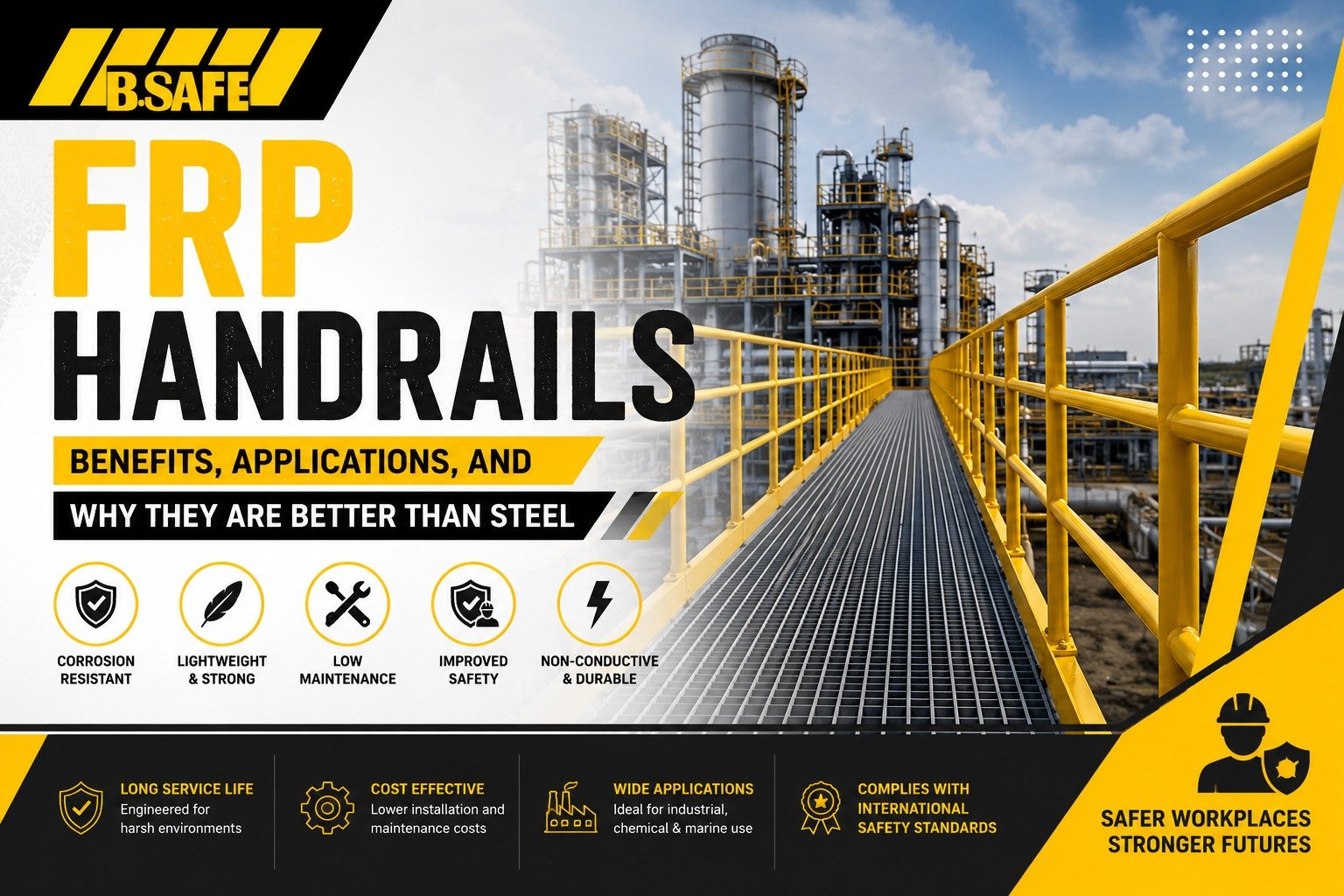
FRP Handrails: Benefits, Applications, and Why They Are Better Than Steel
What Are FRP Handrails?
FRP Handrails (Fiber Reinforced Plastic Handrails) are safety railing systems manufactured from reinforced fiberglass materials. They are widely used in industrial facilities, chemical plants, wastewater treatment plants, rooftops, walkways, warehouses, and other environments where corrosion resistance and long-term durability are essential.
 Unlike traditional steel railings, FRP handrails offer exceptional resistance to moisture, chemicals, UV exposure, and harsh environmental conditions, making them an increasingly popular choice for industrial safety applications.
Why Are FRP Handrails Becoming More Popular?
Industrial facilities are continuously searching for safer and more cost-effective solutions. FRP handrails provide a combination of strength, lightweight construction, and corrosion resistance that traditional materials often struggle to achieve.
Many industries are replacing steel guardrails with fiberglass systems because they require less maintenance and have a longer service life in demanding environments.
Key Benefits of FRP Handrails
1. Excellent Corrosion Resistance
One of the most important advantages of FRP handrails is their resistance to corrosion. Unlike steel, FRP does not rust when exposed to water, chemicals, salt, or humidity.
This makes FRP railing systems ideal for:
- Chemical processing plants
- Water treatment facilities
- Offshore platforms
- Marine environments
- Manufacturing plants
2. Lightweight Yet Strong
FRP handrails are significantly lighter than steel alternatives while maintaining excellent structural strength. Their lightweight design simplifies transportation, handling, and installation.
This reduces labor costs and installation time for industrial projects.
3. Low Maintenance Requirements
Traditional steel railings often require painting, coating, or rust treatment throughout their lifespan. FRP systems require minimal maintenance, helping organizations reduce long-term operational costs.
4. Improved Workplace Safety
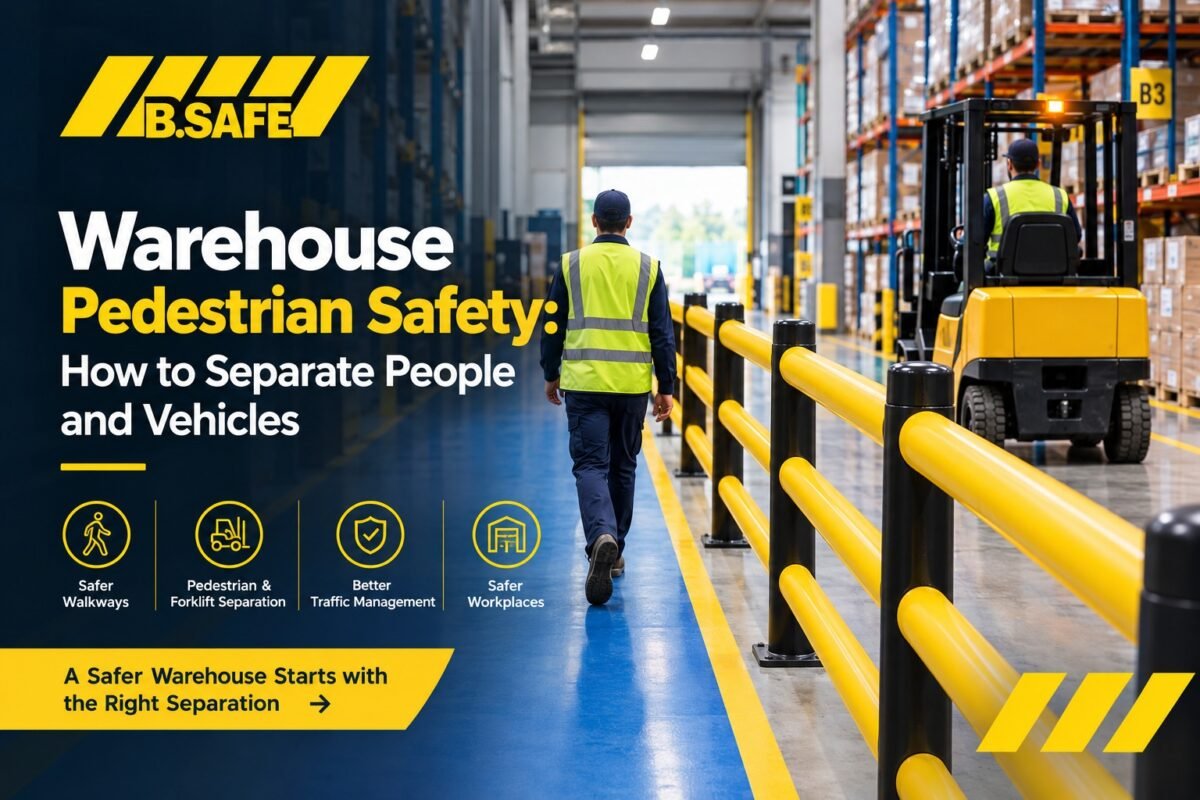
FRP handrails are designed to help prevent falls and improve worker safety in elevated areas such as platforms, walkways, rooftops, and industrial access routes.
According to OSHA safety guidelines, properly installed guardrails are an essential component of fall prevention systems in workplaces.
5. Electrical and Thermal Insulation
Unlike metal railings, fiberglass handrails are non-conductive. This makes them a safer choice around electrical installations and environments where electrical hazards may exist.
Their thermal insulation properties also reduce heat transfer, improving worker comfort and safety.
Common Applications of FRP Handrails
FRP safety handrails are used across a wide range of industries, including:
- Industrial facilities
- Oil and gas plants
- Chemical processing plants
- Wastewater treatment facilities
- Warehouses
- Rooftop access systems
- Solar energy projects
- Elevated walkways and platforms
Many companies combine FRP handrails with FRP walkways and access systems to create complete workplace safety solutions.
FRP Handrails vs Steel Handrails
| Feature | FRP Handrails | Steel Handrails |
|---|---|---|
| Corrosion Resistance | Excellent | Moderate |
| Weight | Lightweight | Heavy |
| Maintenance | Very Low | High |
| Electrical Conductivity | Non-Conductive | Conductive |
| Installation Cost | Lower Long-Term | Higher Long-Term |
| Lifespan | Long | Moderate |
For many industrial applications, FRP handrails offer a better balance between safety, durability, and lifecycle costs.
Complete FRP Safety Systems
Modern industrial facilities often integrate multiple FRP products to improve safety and operational efficiency.
In addition to handrails, organizations commonly use FRP pipe fittings, FRP storage tanks, and elevated walkway systems as part of a comprehensive industrial infrastructure strategy.
How to Choose the Right FRP Handrail Supplier
When selecting an FRP handrail supplier, consider the following:
- Product quality and certifications
- Compliance with safety standards
- Installation support
- Corrosion resistance performance
- Load-bearing capacity
- Long-term durability
- Industry experience
Working with a trusted supplier ensures better safety performance and lower maintenance costs over the lifetime of the system.
Frequently Asked Questions (FAQ)
Are FRP handrails stronger than steel?
FRP handrails provide excellent strength-to-weight ratios and are often preferred in corrosive environments where steel may deteriorate over time.
Where are FRP handrails commonly used?
They are commonly installed in chemical plants, wastewater facilities, rooftops, industrial platforms, warehouses, and manufacturing facilities.
Do FRP handrails rust?
No. FRP materials are highly resistant to corrosion and do not rust like traditional steel systems.
Are FRP handrails suitable for outdoor use?
Yes. They are resistant to UV exposure, moisture, and harsh weather conditions, making them ideal for outdoor applications.
Conclusion
FRP handrails have become one of the most reliable industrial safety solutions for organizations seeking durable, corrosion-resistant, and low-maintenance railing systems. Their ability to improve workplace safety while reducing long-term maintenance costs makes them an excellent alternative to traditional steel guardrails.
Whether used in industrial plants, rooftops, walkways, or chemical facilities, FRP handrails provide a dependable solution for protecting workers and supporting compliance with modern safety standards.
Related Articles You May Find Useful
If you’re interested in improving workplace safety and selecting the right industrial protection solutions, you may also find these articles helpful:
- Complete Guide to PPE Equipment for Construction Workers
- Best Safety Shoes for Construction Workers in 2026
- High Visibility Clothing: Essential PPE for Construction Sites
These guides provide practical insights into personal protective equipment, workplace safety requirements, and the best solutions for improving worker protection across industrial and construction environments.