Complete Guide to PPE Equipment for Construction Workers

Complete Guide to PPE Equipment for Construction Workers
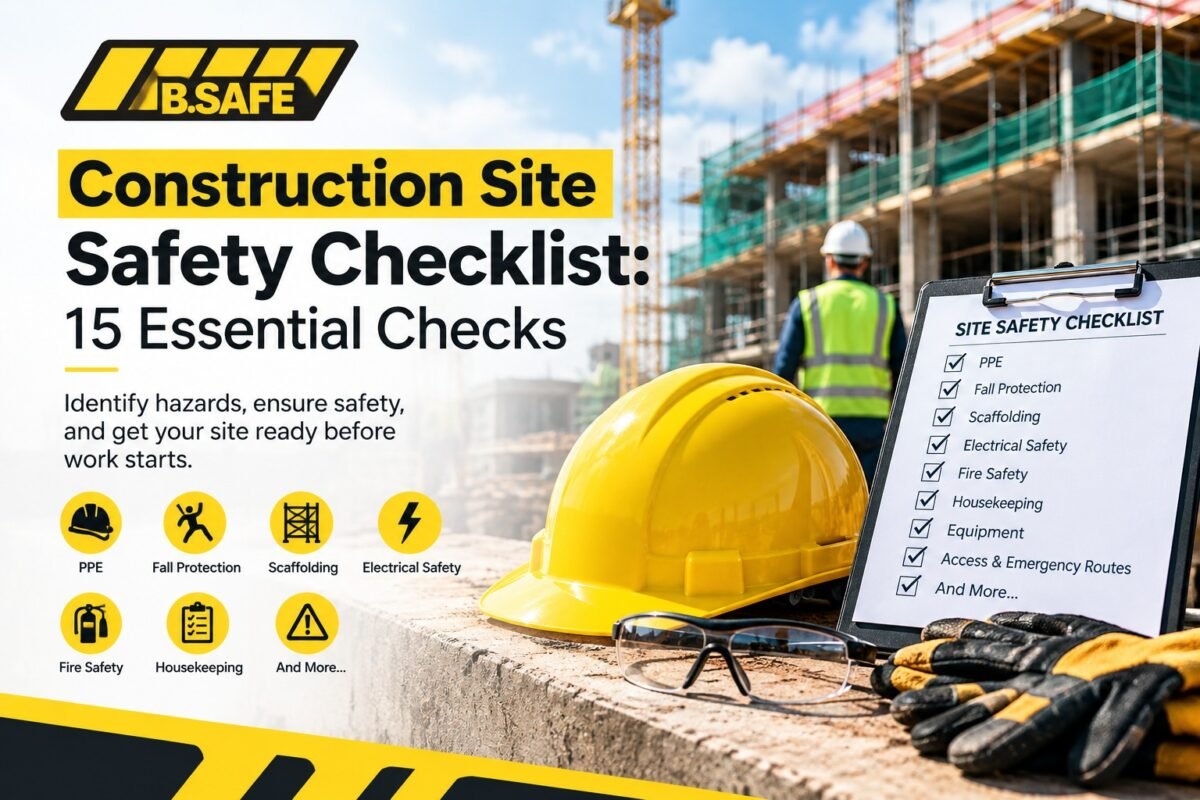
Construction sites are among the most hazardous workplaces in the world. Workers face daily risks including falling objects, sharp materials, electrical hazards, slips, and exposure to harmful substances. This is why using the right PPE equipment is essential for maintaining workplace safety and reducing accidents.
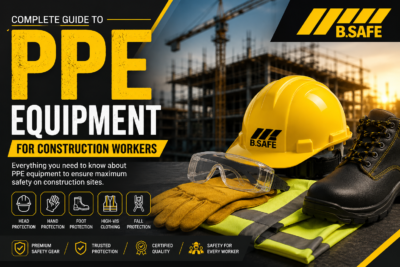
Personal Protective Equipment (PPE) helps protect workers from injuries and ensures compliance with workplace safety standards.
In this guide, we’ll explain the most important PPE equipment for construction workers and how to choose the right safety gear.
What Is PPE Equipment?
PPE stands for Personal Protective Equipment. It includes wearable safety products designed to protect workers from physical, chemical, electrical, and environmental hazards.
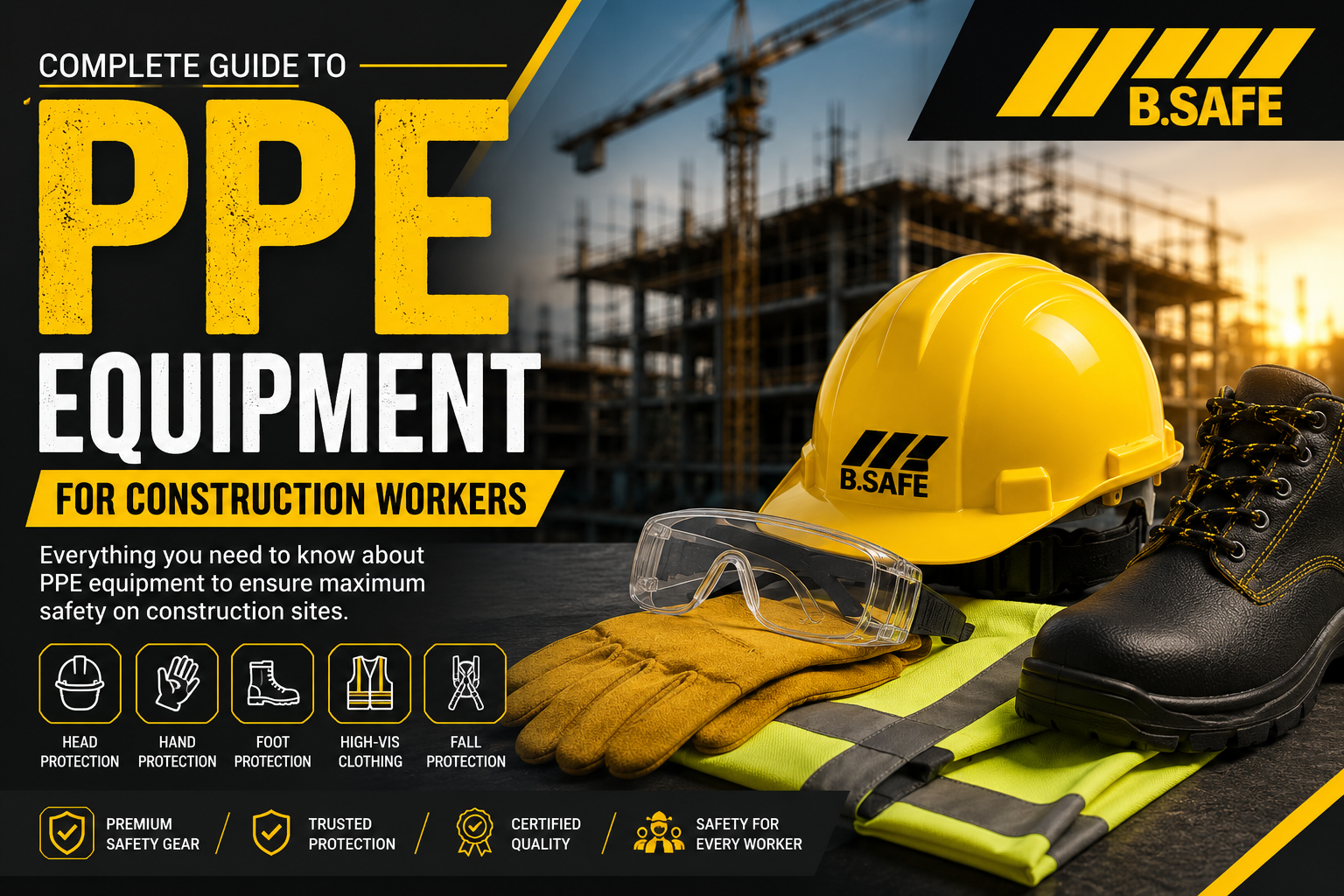
Common PPE equipment includes:
- Safety helmets
- Safety shoes
- Protective gloves
- Reflective safety vests
- Safety goggles
- Respirators
- Fall protection equipment
Using proper PPE significantly reduces workplace injuries and improves productivity.
Essential PPE Equipment for Construction Workers
1. Safety Helmets
Safety helmets protect workers from head injuries caused by falling objects, impacts, and electrical hazards.
When choosing a helmet, look for:
- Impact resistance
- Adjustable fit
- Ventilation
- Compliance with safety standards
Internal Link Suggestion:
- Link to safety helmet category/products.
2. Safety Shoes
Safety shoes are designed to protect feet from heavy objects, sharp materials, slips, and electrical risks.
Important features include:
- Steel toe protection
- Slip-resistant soles
- Shock absorption
- Waterproof materials
High-quality safety footwear improves comfort during long working hours.
Internal Link Suggestion:
- Link to Safety Shoes products.
3. Protective Gloves
Different construction tasks require different types of safety gloves.
Examples include:
- Cut-resistant gloves
- Heat-resistant gloves
- Chemical-resistant gloves
- Anti-vibration gloves
Choosing the right gloves improves worker safety and handling performance.
Internal Link Suggestion:
- Link to gloves category/products.
4. Reflective Safety Vests
Reflective vests increase worker visibility, especially in low-light environments or busy construction sites.
These vests help prevent accidents involving vehicles and heavy machinery.
5. Fall Protection Equipment
Working at heights requires proper fall protection systems such as:
- Safety harnesses
- Lifelines
- Anchors
- Lanyards
Fall protection is critical for preventing serious injuries and fatalities.
Internal Link Suggestion:
- Link to fall protection products.
Why PPE Equipment Is Important
Proper PPE equipment helps:
- Reduce workplace injuries
- Improve employee safety
- Increase productivity
- Ensure OSHA compliance
- Protect businesses from liabilities
Proper PPE equipment helps companies comply with international workplace safety regulations and OSHA safety standards.
Investing in quality PPE products creates a safer and more efficient work environment.
How to Choose the Right PPE Equipment
Before purchasing PPE equipment, consider:
- Workplace hazards
- Industry requirements
- Product certifications
- Worker comfort
- Durability and quality
Always select certified safety equipment from trusted suppliers.
Why Choose BSAFE SAFETY?
At BSAFE SAFETY, we provide high-quality industrial safety equipment designed to meet international safety standards.
Our products include:
- Safety shoes
- Helmets
- Gloves
- Protective clothing
- Fire safety equipment
- Fall protection systems
We help businesses create safer workplaces with reliable PPE solutions.
FAQ Section
What does PPE stand for?
PPE stands for Personal Protective Equipment used to protect workers from workplace hazards.
Why is PPE important in construction?
PPE helps reduce injuries, improve safety, and comply with workplace safety regulations.
What are the most important PPE items for construction workers?
The most important PPE items include helmets, safety shoes, gloves, reflective vests, and fall protection equipment.
How often should PPE equipment be replaced?
PPE should be replaced when damaged, expired, or no longer provides proper protection.