Chemical Spill Kits: Complete Guide to Spill Response and Hazardous Material Containment

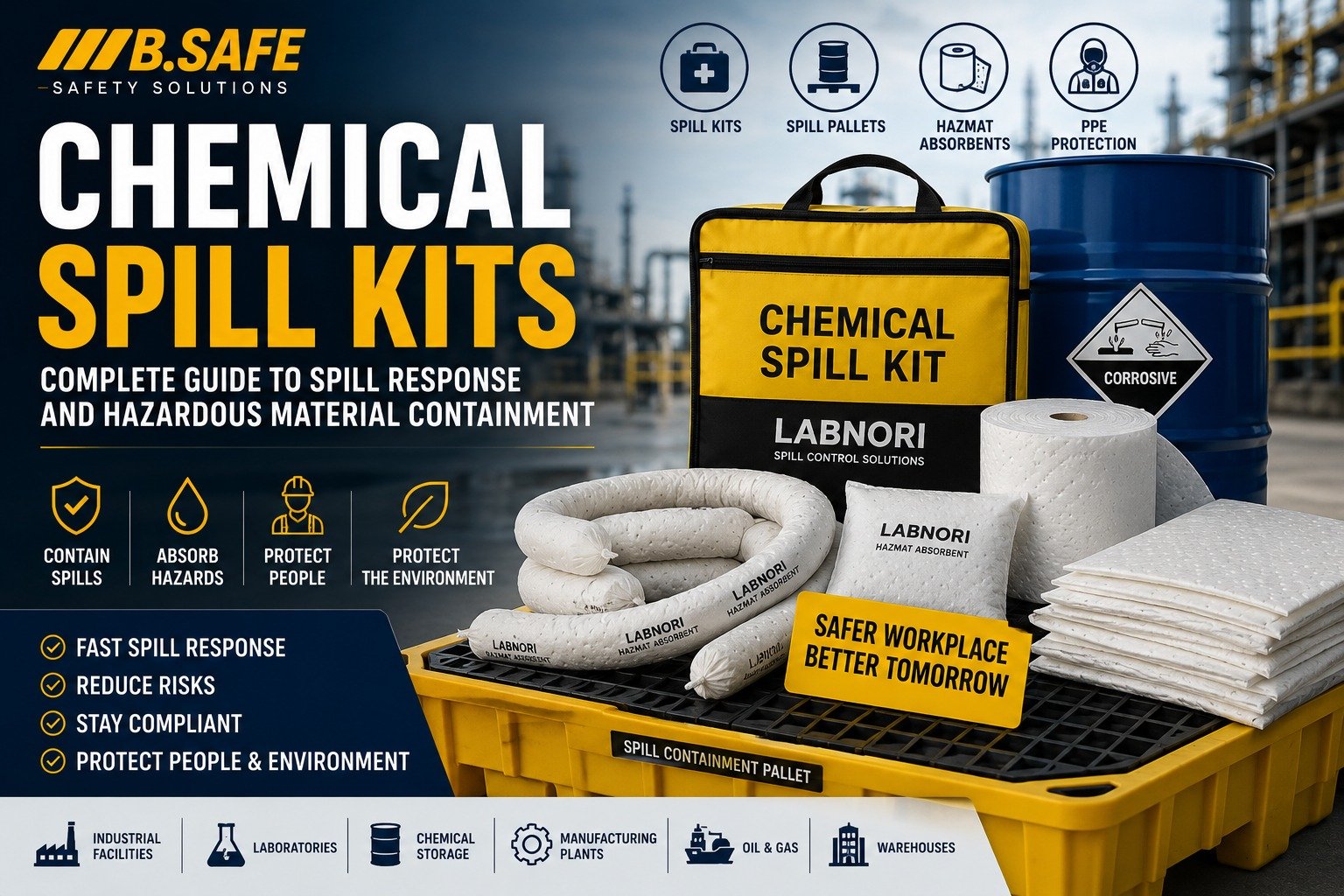
Chemical Spill Kits: Complete Guide to Spill Response and Hazardous Material Containment
Chemical spills can occur unexpectedly in laboratories, manufacturing plants, warehouses, oil and gas facilities, and industrial workplaces. Without the proper spill response equipment, hazardous chemicals can threaten worker safety, damage equipment, contaminate the environment, and lead to costly regulatory violations.
A Chemical Spill Kit provides everything needed to quickly contain and clean hazardous liquid spills before they spread. Combined with absorbent materials, spill pallets, personal protective equipment (PPE), and proper spill response procedures, these kits play a critical role in maintaining a safe workplace.
This guide explains what a chemical spill kit contains, how it works, and how to choose the right solution for your facility.
What Is a Chemical Spill Kit?
A Chemical Spill Kit is an emergency spill response solution designed to safely contain, absorb, and dispose of hazardous chemical spills.
Unlike universal absorbents, chemical spill kits are specifically engineered to handle aggressive acids, alkalis, corrosive liquids, and unknown hazardous substances commonly found in industrial environments.
Typical industries using chemical spill kits include:
- Chemical manufacturing
- Laboratories
- Pharmaceutical facilities
- Food processing plants
- Warehouses
- Oil & Gas
- Water treatment plants
- Industrial maintenance facilities
Why Every Facility Needs a Spill Kit
Chemical spills can happen during transportation, storage, mixing, or equipment maintenance. Without immediate response, hazardous liquids may spread rapidly and expose workers to dangerous chemicals.
A properly stocked spill kit helps organizations:
- Protect employees from hazardous exposure.
- Reduce environmental contamination.
- Minimize cleanup costs.
- Maintain regulatory compliance.
- Prevent production downtime.
- Improve workplace safety.
For facilities handling hazardous chemicals daily, spill kits should always be easily accessible.
Essential Components of a Chemical Spill Kit
An effective spill kit contains several absorbent products designed for different spill situations.
1. Chemical Absorbent Pads
Absorbent pads quickly soak up hazardous liquids while remaining easy to deploy around leaking containers and machinery.
Ideal for:
- Laboratory spills
- Chemical storage rooms
- Maintenance work
- Small chemical leaks
2. Chemical Absorbent Rolls
Absorbent rolls provide continuous coverage for large spill areas and can be cut to the desired length.
They are commonly used for:
- Walkways
- Production lines
- Chemical storage areas
- Spill kit refills
3. Hazmat Absorbent Socks
Absorbent socks are designed to surround and contain spills before liquids spread into larger areas.
They are especially useful around:
- Chemical drums
- Machinery
- Storage tanks
- Laboratory equipment
4. Chemical Absorbent Pillows
Absorbent pillows are designed for continuous leaks beneath machinery, pumps, valves, and chemical containers.
Their high absorption capacity makes them ideal for prolonged spill control.
Oil Spill Kits vs Chemical Spill Kits
Although both products are designed for spill response, they serve different purposes.
| Chemical Spill Kit | Oil Spill Kit |
|---|---|
| Absorbs hazardous chemicals | Absorbs hydrocarbons |
| Suitable for acids and alkalis | Suitable for oil and fuels |
| Used in laboratories | Used near water and fuel storage |
| Handles corrosive liquids | Repels water while absorbing oil |
Choosing the correct spill kit ensures maximum protection and effective cleanup.
Spill Containment Pallets: The First Line of Defense
Preventing spills is just as important as cleaning them.
A Spill Containment Pallet captures leaks from drums and chemical containers before hazardous liquids reach the workplace floor.
Benefits include:
- Secondary containment
- Environmental protection
- Regulatory compliance
- Safer chemical storage
- Reduced cleanup costs
Personal Protective Equipment During Spill Response
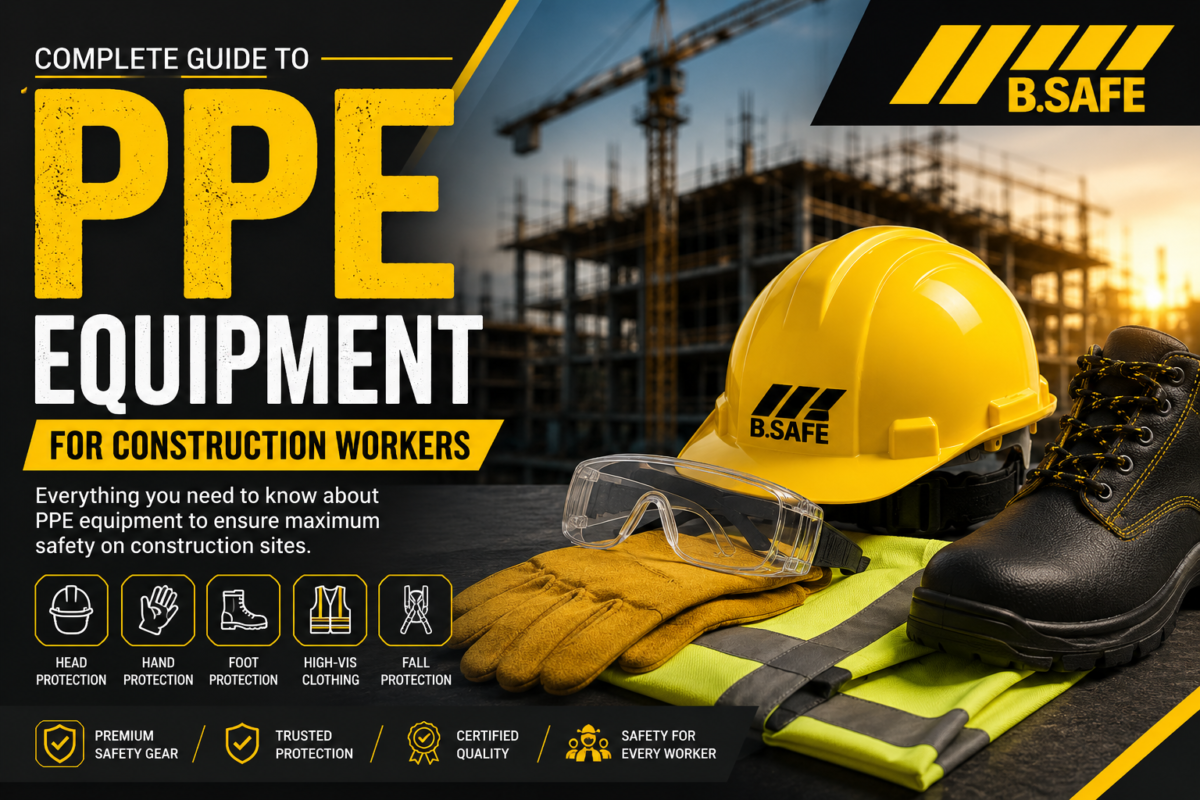
Before cleaning any hazardous spill, workers should wear appropriate PPE.
Recommended equipment includes:
- Chemical Suit
- Hazmat Suit
- Chemical resistant gloves
- Face shields
- Respirators
- Safety goggles
- Chemical boots
Proper PPE protects workers from direct exposure to hazardous substances.
Best Industries for Chemical Spill Kits
Chemical spill kits are widely used in:
- Chemical plants
- Oil & Gas facilities
- Pharmaceutical companies
- Research laboratories
- Food processing plants
- Manufacturing facilities
- Warehouses
- Industrial maintenance departments
Facilities handling hazardous materials should always maintain fully stocked spill response stations.
Why Choose Labnori Spill Control Solutions?
Labnori provides professional spill response solutions designed for industrial environments.
Its product range includes:
- Chemical Spill Kits
- Oil Spill Kits
- Hazmat Absorbents
- Spill Pallets
- Chemical Absorbent Pads
- Absorbent Rolls
- Absorbent Socks
- Absorbent Pillows
Labnori products help organizations improve workplace safety while complying with international spill control standards.
Related Industrial Safety Equipment
Chemical spill response should be integrated with a complete workplace safety program that also includes:
- Industrial Hygiene Equipment
- Portable Gas Detector
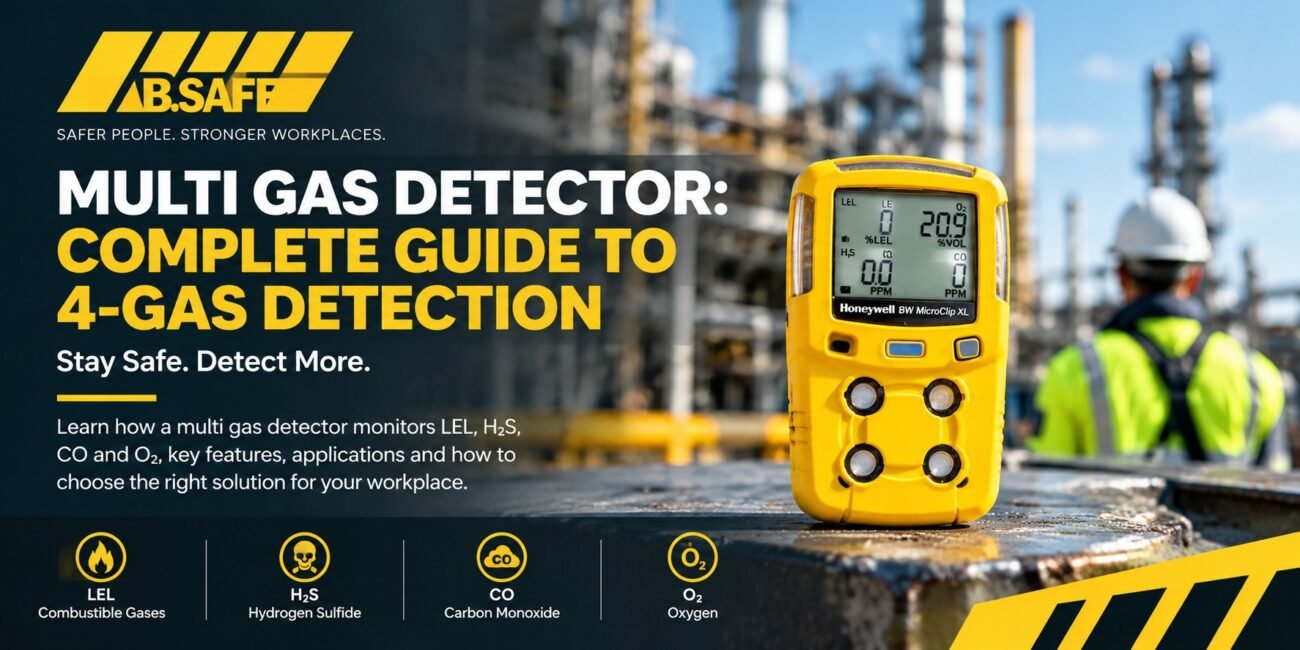
- Multi Gas Detector
- Gas Leak Detector
- Air Quality Monitor
- Particle Counter
- Thermal Camera
- Sound Level Meter
- Lux Meter
- Differential Pressure Meter
- Vibration Meter
- Anemometer
Monitoring workplace conditions helps identify hazards before they become emergencies.
Learn more about spill prevention and secondary containment requirements from the U.S. Environmental Protection Agency (EPA).
Conclusion
A well-equipped Chemical Spill Kit is essential for every workplace handling hazardous liquids. Combined with high-quality absorbents, spill containment pallets, personal protective equipment, and proper emergency procedures, organizations can significantly reduce workplace risks while protecting employees and the environment.
Whether you operate a laboratory, warehouse, manufacturing plant, or chemical facility, investing in professional spill response equipment is one of the most effective ways to maintain a safer and more compliant workplace.
Frequently Asked Questions (FAQ)
What is a Chemical Spill Kit used for?
A Chemical Spill Kit is used to contain and absorb hazardous chemical spills safely before they spread.
What is the difference between a Chemical Spill Kit and an Oil Spill Kit?
Chemical Spill Kits absorb hazardous chemicals, acids, and corrosive liquids, while Oil Spill Kits are designed specifically for oils and hydrocarbons.
What products are included in a spill response program?
Typical products include absorbent pads, absorbent rolls, absorbent socks, absorbent pillows, spill pallets, PPE, and disposal bags.
When should a Spill Containment Pallet be used?
Spill containment pallets should be placed beneath chemical drums and storage containers to capture leaks before spills occur.
Why are Hazmat absorbents important?
Hazmat absorbents safely absorb aggressive chemicals and help reduce workplace hazards during spill response.