Portwest Flame Resistant Clothing: How to Choose Protective Workwear

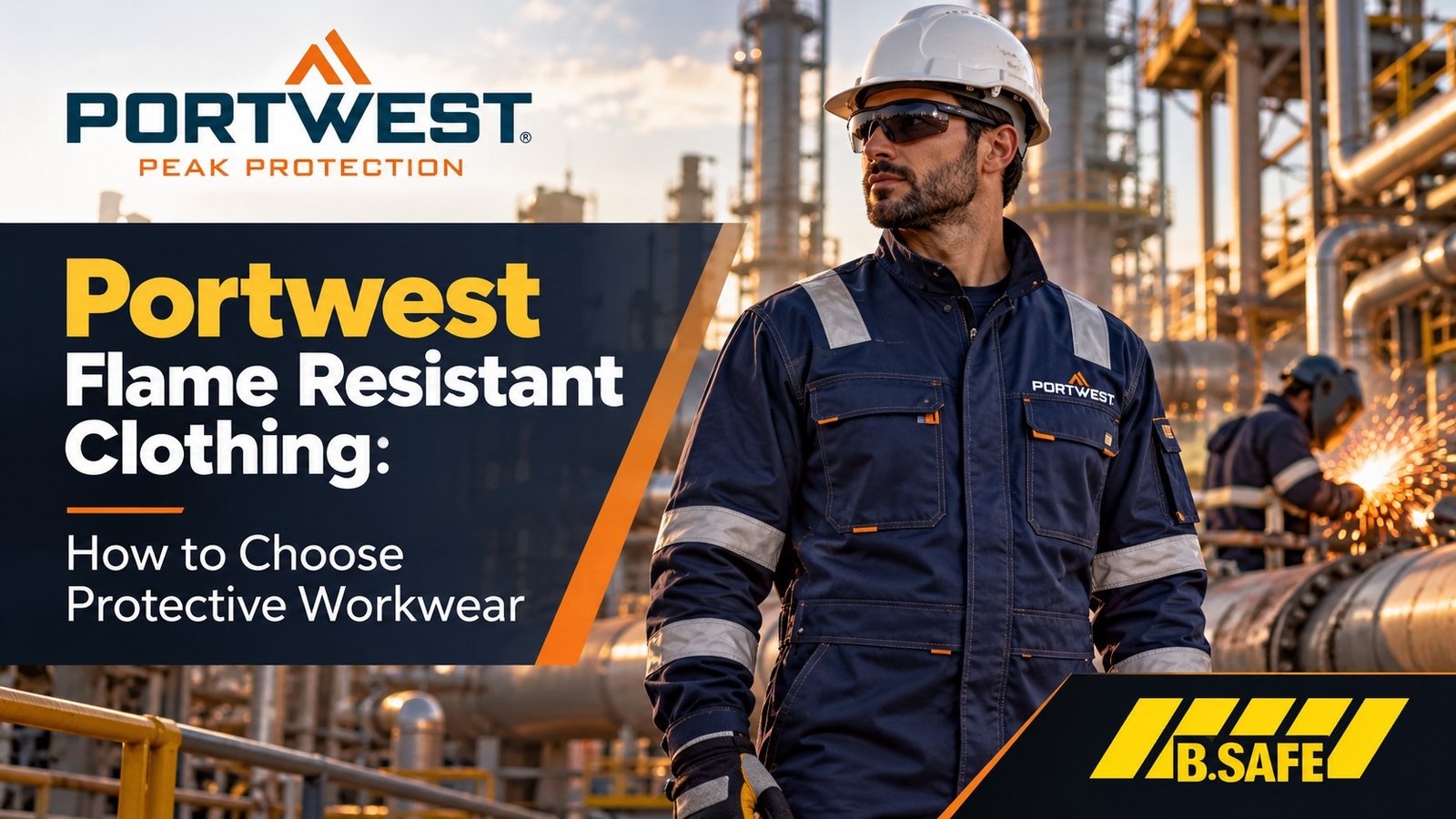
Portwest Flame Resistant Clothing: How to Choose Protective Workwear
Flame-resistant clothing is an important part of workplace safety in industries where workers may be exposed to heat, sparks, or potential flame hazards. Choosing suitable protective workwear requires more than selecting a garment based on its appearance or material. Employers must consider the hazards present, the required protection standards, and the conditions in which the clothing will be used.
 Portwest flame resistant clothing offers options for workers who need protective workwear for industrial environments. At B.SAFE, businesses can explore selected Portwest garments, including flame-resistant coveralls and long-sleeve shirts, and compare them according to their workplace requirements.
This guide explains the main considerations when choosing flame-resistant workwear, the differences between common garment types, and how to evaluate suitable options for your team.
What Is Flame-Resistant Clothing?
Flame-resistant clothing is designed to resist ignition or limit the behavior of a flame when tested under specified conditions. Depending on the garment and its certification, it may help reduce certain thermal risks when used as part of an appropriate workplace protection program.
However, flame-resistant does not mean fireproof. No garment should be assumed to protect against every flame, heat source, or industrial hazard.
Before selecting protective clothing, employers should identify the specific risks workers may face, such as:
- Accidental contact with flames or brief flash-fire hazards.
- Radiant or convective heat in certain industrial operations.
- Hot sparks and particles generated by specific work activities.
- Additional workplace hazards that may require separate protective features.
The garment must be selected according to the applicable risk assessment and the manufacturer’s documented performance and care instructions.
Why Choose Portwest Flame Resistant Clothing?
Portwest provides workwear and personal protective equipment for different occupational environments. Its available clothing range at B.SAFE includes selected flame-resistant garments that businesses can review for their operational needs.
When evaluating Portwest flame-resistant workwear, consider the following factors.
1. Protection Requirements
Start by identifying the hazard rather than choosing a garment by brand name alone. Different tasks may require different levels or types of protection.
Review the garment’s labels, applicable standards, manufacturer documentation, and limitations before use. A garment suitable for one industrial task may not be suitable for another.
2. Comfort During Long Shifts
Workers may need to wear protective clothing for extended periods. Fit, freedom of movement, garment weight, and compatibility with other PPE can affect comfort and practical use.
Select clothing that allows the required movements without creating loose fabric or other hazards around machinery.
3. Visibility and Worksite Conditions
Some workplaces require high-visibility clothing in addition to thermal protection. Where these risks overlap, consider garments designed for the relevant visibility and flame-resistance requirements.
Do not assume that every flame-resistant garment is high-visibility or that every high-visibility garment provides flame protection. Check the specifications of the individual product.
4. Maintenance and Garment Condition
Protective clothing must be maintained according to the manufacturer’s instructions. Incorrect washing, repairs, contamination, or wear can affect its performance.
Establish inspection and replacement procedures, and remove garments from service when their condition or protective capability is uncertain.
Types of Portwest Flame Resistant Workwear
Different garment styles support different workwear needs. The right option depends on the task, exposure risks, required protective standards, and compatibility with the rest of the worker’s PPE.
1. Flame-Resistant Coveralls
Coveralls provide one-piece workwear coverage and can be practical for industrial maintenance, manufacturing, and other demanding work environments when the selected model is appropriate for the hazards involved.
B.SAFE lists the following Portwest options:
- FR21 Flame Resistant Coverall: The product information describes a lightweight coverall designed for offshore work and hot-climate conditions. Listed features include an action-back design, adjustable cuffs, multiple storage pockets, and a two-way zipper. Its stated heat-protection and certification details should be checked against the product documentation before selection.
- Portwest FR Coverall: Review this option when comparing flame-resistant one-piece workwear. Confirm its exact fabric, protection standards, sizing, and intended applications from the product specifications.
A coverall should fit correctly and be compatible with any additional protective equipment required for the job.
2. Flame-Resistant Long-Sleeve Shirts
For workwear programs that use separate tops and trousers, a suitable protective shirt may be an option, provided the complete clothing combination meets the relevant workplace requirements.
B.SAFE lists these Portwest garments:
- FR03 Modaflame Knit FR Long Sleeve Polo Shirt: A long-sleeve polo-style garment to evaluate when comparing flame-resistant workwear options.
- FR702 PW3 Modaflame Knit Hi-Vis FR Long Sleeve Polo Shirt: A garment to consider when assessing the need for both high visibility and flame-resistant workwear.
Before selecting either shirt, verify the exact certified protection, fabric composition, visibility class where applicable, and compatibility with the trousers and other PPE worn by the worker.
3. Complete Protective Workwear Systems
A single garment rarely addresses every workplace hazard. Depending on the risk assessment, workers may also need suitable gloves, protective footwear, eye protection, head protection, or other specialized equipment.
The clothing and equipment should work together as a complete protection system. Check that each item is suitable for the task and does not interfere with the performance of another item.
You can also explore the complete Portwest product range at B.SAFE to review available workplace safety products.
How to Choose the Right Flame-Resistant Clothing
Selecting suitable flame-resistant clothing involves a structured review of workplace hazards and garment performance.
Step 1: Conduct a Workplace Risk Assessment
Identify the potential sources of ignition, heat exposure, sparks, and other hazards. Consider the frequency and duration of exposure, the work process, and whether multiple hazards may occur simultaneously.
Use the assessment to establish the required protective clothing specifications.
Step 2: Verify the Applicable Standards
Review the garment’s label and technical documentation to determine which standards it meets and what protection those standards address.
For example, EN ISO 11612 is a standard associated with clothing designed to protect against heat and flame. Other work activities may require different or additional standards.
Do not rely on a general product description alone. Confirm that the specific garment meets the requirements applicable to your worksite.
Step 3: Choose the Appropriate Garment Type
Compare coveralls and separate garments according to the task, required coverage, comfort, and compatibility with other PPE.
For example, a coverall may suit a particular maintenance task, while a long-sleeve shirt may be appropriate for another workwear arrangement. Neither option should be selected without confirming its protective performance and intended use.
Step 4: Check Fit and Compatibility
Protective clothing should allow safe movement and fit as intended by the manufacturer. Consider sizing, layering, closures, and compatibility with gloves, footwear, harnesses, or other equipment.
Avoid combinations that expose skin or create gaps in required protection.
Step 5: Review Care, Inspection, and Replacement
Follow the manufacturer’s washing and maintenance instructions. Establish a routine for inspecting garments for damage, contamination, worn closures, and other signs that may affect their suitability.
Replace garments when required by the manufacturer’s instructions or when their protective condition cannot be confirmed.
Which Industries May Need Flame-Resistant Workwear?
Flame-resistant clothing may be required in workplaces where the risk assessment identifies relevant thermal or flame hazards. Examples can include:
- Oil and gas operations.
- Offshore facilities.
- Industrial manufacturing and processing.
- Electrical or utility work, where the selected garment is appropriate for the identified hazards.
- Industrial maintenance and repair.
- Other operations involving potential heat or flame exposure.
These examples do not mean that every worker in these industries needs the same garment. Requirements vary according to the work performed, the exposure risks, and applicable regulations and standards.
For electrical arc-flash hazards in particular, verify that the garment is specifically rated for the identified risk. Flame resistance alone does not establish arc-flash protection.
Common Mistakes When Selecting Flame-Resistant Workwear
Avoid these common selection mistakes when purchasing protective clothing for employees.
Assuming Flame-Resistant Means Fireproof
Flame-resistant clothing has defined performance limits. It should never be treated as protection against unlimited exposure to flames or heat.
Choosing by Price or Appearance Alone
A low price, familiar brand, or comfortable design does not prove that a garment is suitable for a specific hazard. Verify its documented performance and intended use.
Ignoring the Rest of the PPE System
Clothing must be considered alongside other required protective equipment. A suitable garment cannot compensate for missing or inappropriate protection elsewhere.
Overlooking Maintenance Requirements
Protective properties and garment condition must be maintained in accordance with manufacturer instructions. Establish clear procedures for cleaning, inspection, storage, and replacement.
Explore Portwest Flame-Resistant Clothing at B.SAFE
Choosing the right protective workwear starts with understanding the risks your employees face and identifying the performance requirements for each task.
B.SAFE provides access to selected Portwest clothing options, including flame-resistant coveralls and long-sleeve shirts. Compare the available garments, review their technical documentation, and confirm their suitability before making a purchasing decision.
Explore these products:
- FR21 Flame Resistant Coverall
- Portwest FR Coverall
- FR03 Modaflame Knit FR Long Sleeve Polo Shirt
- FR702 PW3 Modaflame Knit Hi-Vis FR Long Sleeve Polo Shirt
You can also visit the Portwest brand page to explore the wider range of products available at B.SAFE.
Before ordering, confirm current pricing, availability, sizing, product specifications, and certification with the B.SAFE team.
Frequently Asked Questions
What is Portwest flame-resistant clothing used for?
Portwest flame-resistant clothing includes garments intended for workplaces where the selected garment’s documented protective performance matches the identified hazards. The correct model depends on the task and required standards.
What is the difference between a flame-resistant coverall and a flame-resistant shirt?
A coverall is a one-piece garment, while a shirt is generally worn with separate trousers. Their coverage and suitability differ, so the complete clothing arrangement must meet the workplace’s protection requirements.
Is flame-resistant clothing completely fireproof?
No. Flame-resistant clothing is designed and tested for defined performance conditions. It does not provide unlimited protection against flames, heat, or every industrial hazard.
How do I choose the correct flame-resistant workwear?
Start with a workplace risk assessment, identify the applicable standards, review the manufacturer’s documentation, and evaluate fit, comfort, compatibility with other PPE, and maintenance requirements.
Does every flame-resistant garment also provide high visibility?
No. Flame resistance and high visibility address different requirements. If both are needed, select a garment whose documentation confirms the relevant protective and visibility performance.
Where can I find Portwest flame-resistant clothing?
You can review the available options at B.SAFE’s Portwest brand page or open the individual product pages linked in this guide.