Best Safety Shoes for Construction Workers in 2026

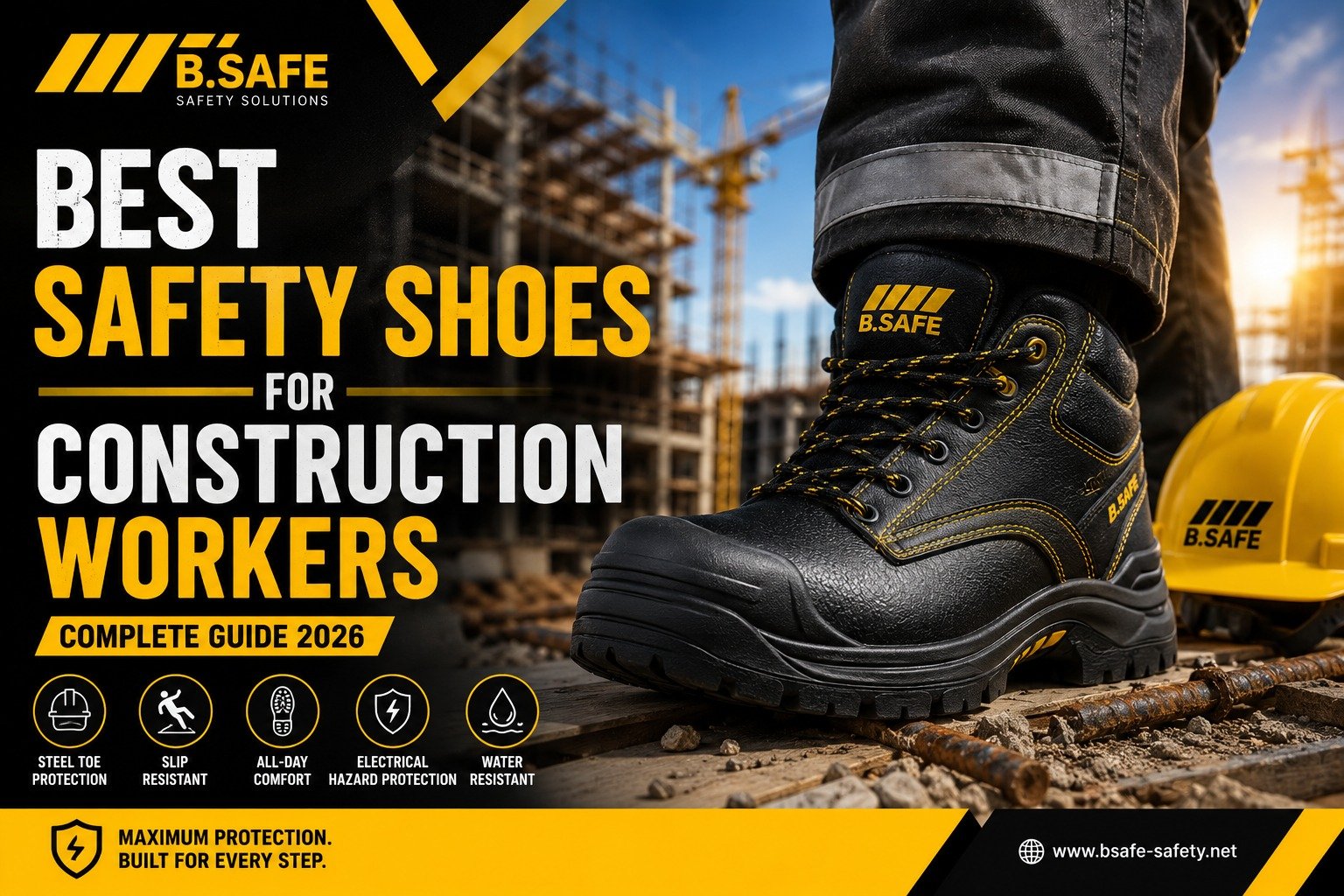
Best Construction Safety Shoes for Workers in 2026
Choosing the right construction safety shoes is essential for workers who face falling objects, sharp materials, slippery surfaces, uneven ground, and other workplace hazards. The right safety footwear should provide appropriate protection for the job while also offering comfort, stability, and durability for long working hours.
In this guide, we explain the key features to look for in safety shoes for construction workers, compare common toe protection options, discuss different types of workplace protection, and explain how to choose safety footwear according to the hazards of your work environment.
Why Are Construction Safety Shoes Important?
Construction workers can be exposed to several hazards that may affect the feet, including:
- Falling tools and materials
- Sharp objects such as nails and metal pieces
- Slippery or uneven surfaces
- Heavy equipment and machinery
- Wet, muddy, or outdoor working conditions
- Electrical hazards in specific work environments
- Long periods of standing and walking
Proper safety footwear can help provide protection against hazards identified in the workplace while supporting stability and comfort during demanding work.
Safety shoes should always be selected according to the actual hazards of the job, the required protection level, and the applicable safety requirements.
Construction Safety Shoes: Key Features at a Glance
| Safety Feature | Why It Matters |
|---|---|
| Safety Toe Cap | Helps protect toes against impact and compression hazards |
| Slip-Resistant Outsole | Helps improve traction on slippery surfaces |
| Puncture Resistance | Helps protect against sharp objects from below |
| Water Resistance | Useful for wet and outdoor working environments |
| Durable Outsole | Supports use on demanding work surfaces |
| Comfortable Footbed | Helps support workers during long shifts |
| Electrical Protection | Suitable for specific electrical hazards when properly rated |
| Ankle Support | Can provide additional stability in suitable footwear designs |
The required features depend on the work environment. Not every construction worker needs the same type of safety shoe.
What to Look for in Construction Safety Shoes
Safety Toe Protection
A safety toe cap helps protect the toes from workplace impact and compression hazards. Common safety toe materials include steel and composite materials.
When choosing safety shoes, check the product specifications and applicable safety standard to confirm the level and type of toe protection provided.
Slip Resistance
Construction sites may contain wet surfaces, mud, oil, dust, or uneven ground. A suitable slip-resistant outsole can help improve traction and stability while walking or working.
Slip resistance can be particularly important for:
- Outdoor construction sites
- Warehouses
- Industrial facilities
- Maintenance areas
- Oil and gas environments
- Wet working areas
The required outsole performance depends on the conditions of the workplace.
Puncture Resistance
Construction workers may encounter nails, screws, sharp metal pieces, and other objects that can penetrate ordinary footwear.
Depending on the workplace hazards, safety shoes with a puncture-resistant midsole or protective layer can provide additional protection against underfoot penetration.
Always check the manufacturer’s specifications to confirm the type of puncture protection provided.
Water-Resistant and Waterproof Safety Shoes
Outdoor construction work can expose workers to rain, mud, and wet surfaces.
Some safety shoes are designed with water-resistant materials, while others provide a higher level of waterproof protection. These terms should not be treated as interchangeable.
When selecting footwear for outdoor work, check the manufacturer’s specifications and choose a product that matches the expected exposure to water and weather conditions.
Durable Outsoles
Construction environments can place significant demands on safety footwear. Workers may walk across concrete, gravel, soil, metal surfaces, and other challenging areas.
A durable outsole can help provide traction and support regular use in demanding working environments.
Comfort and Fit
Protection is important, but construction workers may wear safety shoes for many hours every day.
Important comfort features can include:
- Cushioned insoles
- Breathable materials
- Arch support
- Shock absorption
- Suitable sizing
- Adequate toe room
- Supportive construction
A safety shoe should fit properly without creating unnecessary pressure or discomfort.
Steel Toe vs. Composite Toe Safety Shoes
One of the most common questions when choosing construction safety footwear is whether to select steel toe or composite toe shoes.
Steel Toe Safety Shoes
Steel toe safety shoes use a steel toe cap to provide protection against specified impact and compression hazards.
They are commonly used in environments such as:
- Construction
- Manufacturing
- Warehousing
- Heavy industry
- Maintenance
- Industrial facilities
Steel toe footwear can be suitable where the required protection level and workplace conditions call for this type of toe cap.
Composite Toe Safety Shoes
Composite toe safety shoes use non-metal materials such as composite materials or carbon-based protective components instead of a traditional steel toe.
Depending on the product design, composite toe footwear can offer:
- Lightweight construction
- Non-metallic protection
- Comfort during long shifts
- Suitability for workplaces where metal-free footwear is preferred
For example, the JCB008A Safety Shoes available from B.SAFE feature a composite toe cap and carbon-fiber anti-perforation midplate. The product is also described as suitable for construction sites, industrial facilities, warehouses, maintenance, and engineering environments.
The choice between steel and composite protection should be based on the hazards, required standard, workplace conditions, and product specifications.
Electrical Hazard Protection
Some safety footwear is designed for specific electrical hazard environments.
Electrical hazard protection should not be assumed simply because a shoe is labelled as a safety shoe. The product must have the appropriate stated protection rating for the intended application.
Workers involved in electrical, maintenance, construction, or industrial activities should select footwear according to the electrical hazards identified in their workplace and the applicable requirements.
For more information about workplace foot protection standards, workers and employers can review official OSHA footwear requirements through the Occupational Safety and Health Administration.
High-Ankle Safety Shoes for Construction Work
Some construction environments may benefit from footwear with a higher ankle design.
High-ankle safety shoes can provide additional ankle coverage and support while also incorporating other protective features.
For example, the Hunk High Ankle Safety Shoes – EHA 1135 S3 available from B.SAFE feature a steel toe cap, steel midsole, water-repellent buffalo leather, padded ankle support, and an S3 safety classification according to the product specifications.
These features make the product suitable for demanding environments such as construction sites, warehouses, manufacturing facilities, maintenance work, and industrial operations.
Lightweight Construction Safety Shoes
Workers who spend long hours walking or standing may prefer lightweight safety footwear.
Composite toe and non-metallic safety shoes can be useful options when the workplace protection requirements allow them.
The Delta Plus Sport S1-P Safety Trainer, for example, uses a composite toe cap and a flexible composite anti-perforation midsole. Its specifications also include SRC slip resistance and a completely non-metallic construction.
Always choose footwear according to the protection required for the specific workplace rather than choosing only by weight.
Recommended Construction Safety Shoes from B.SAFE
B.SAFE provides a range of safety footwear for industrial and professional work environments. The Foot Protection category currently includes safety shoes and boots from brands including Deltaplus, JCB, Portwest, and Reebok.
Some options available in the B.SAFE collection include:
JCB008A Safety Shoes
Lightweight safety shoes featuring a composite toe cap, carbon-fiber anti-perforation midplate, memory foam and mesh insole, EVA midsole, and rubber outsole.
Hunk High Ankle Safety Shoes S3
High-ankle safety footwear featuring steel toe and steel midsole protection, water-repellent buffalo leather, padded ankle support, and an S3 classification.
Delta Plus Sport S1-P Safety Trainer
A lightweight, non-metallic safety trainer with a composite toe cap, anti-perforation composite midsole, SRC slip resistance, and oil-resistant outsole.
COBRA4 S3 SRC Safety Shoes
These products should be selected according to the hazards and protection requirements of the workplace. Always review the individual product specifications before purchasing.
How to Choose the Right Safety Shoes for Construction Work
Before selecting construction safety footwear, consider the following factors.
Identify Workplace Hazards
Start by identifying the hazards workers may encounter.
Consider:
- Falling objects
- Compression hazards
- Sharp objects
- Slippery surfaces
- Electrical hazards
- Wet conditions
- Uneven terrain
- Heavy machinery
- Long periods of walking or standing
The safety shoe should be selected according to these specific risks.
Check the Safety Standard
Do not choose safety footwear based only on appearance or brand.
Check the safety classification and applicable standard listed for the product.
Different products may provide different levels of protection, so the product specifications should always be reviewed before purchase.
Choose the Appropriate Toe Protection
Steel and composite toe caps are both available in safety footwear.
Choose the type that meets the protection requirements of the workplace.
Consider Underfoot Protection
If workers may encounter nails, screws, sharp metal, or other penetration hazards, check whether the footwear includes an appropriate anti-perforation midsole or protective layer.
Consider the Working Environment
Outdoor construction, indoor construction, warehouses, workshops, and industrial facilities may have different footwear requirements.
Consider:
- Surface conditions
- Weather
- Water exposure
- Temperature
- Oils or chemicals
- Working hours
- Walking distance
Check Fit and Comfort
Safety footwear should fit correctly and provide enough space for the toes while keeping the foot secure.
For workers who spend long periods on their feet, features such as cushioning, breathable materials, and arch support may improve everyday comfort.
Construction Safety Shoes for Different Work Environments
Outdoor Construction
Outdoor construction workers may need footwear that provides suitable traction, durability, and protection from wet or changing ground conditions.
Indoor Construction
Indoor construction areas may require slip resistance, toe protection, and protection against tools, materials, and other workplace hazards.
Road and Infrastructure Work
Roadwork can expose workers to heavy equipment, vehicles, uneven ground, and changing weather conditions. Safety footwear should be selected according to the specific hazards of the project.
Warehouses and Logistics
Warehouse workers may face moving equipment, falling materials, pallets, and slippery floors. Safety footwear with appropriate toe and slip protection may be required.
Industrial and Maintenance Work
Industrial and maintenance environments can involve machinery, tools, oils, chemicals, electrical hazards, and other risks. The footwear should match the hazards identified during the workplace risk assessment.
How to Maintain Safety Shoes
Proper maintenance can help keep safety footwear in usable condition.
Workers should:
- Inspect footwear regularly
- Check the toe cap for visible damage
- Inspect the outsole for excessive wear
- Check the upper for tears or damage
- Keep footwear clean
- Follow the manufacturer’s care instructions
- Replace footwear when protective components are damaged or no longer suitable
Safety footwear should not be used if damage affects its protective function.
Why Choose B.SAFE for Safety Footwear?
B.SAFE provides industrial safety solutions for professional workplaces in Saudi Arabia and offers a dedicated Foot Protection category containing safety footwear from multiple brands.
The wider B.SAFE product range also includes PPE and workplace safety equipment for construction, industrial, warehouse, and other professional environments.
Frequently Asked Questions
What are the best safety shoes for construction workers?
The best construction safety shoes depend on the hazards of the job. Important factors can include appropriate toe protection, slip resistance, puncture resistance, durability, comfort, and protection suited to the working environment.
What safety shoes are suitable for construction work?
Construction workers may need safety shoes with toe protection, slip-resistant soles, puncture resistance, water resistance, or other protective features depending on the hazards of the site.
Are steel toe shoes mandatory on construction sites?
Requirements depend on the workplace, applicable regulations, employer policies, and identified hazards. Workers should use the type of protective footwear required for their specific work environment.
What is the difference between steel toe and composite toe safety shoes?
Steel toe shoes use a steel protective toe cap, while composite toe shoes use non-metal materials. Composite footwear can provide a lighter, non-metallic alternative when its protection level is appropriate for the workplace.
Do construction safety shoes need to be waterproof?
Not every construction job requires waterproof footwear. Workers exposed to rain, mud, or wet conditions may benefit from water-resistant or waterproof footwear, depending on the working environment and product specifications.
Are construction safety shoes slip resistant?
Many safety shoes are designed with slip-resistant outsoles, but the level of slip resistance varies by product. Always check the product specifications before selecting footwear for a specific workplace.
How long do safety shoes last?
The service life of safety shoes depends on usage, working conditions, materials, maintenance, and the condition of the protective components. Inspect footwear regularly and replace it when it becomes damaged or no longer provides the required protection.
Are composite toe shoes suitable for construction workers?
Composite toe safety shoes can be suitable for construction work when their protection level and specifications match the hazards of the workplace. They can also provide a lightweight, non-metallic alternative to steel toe footwear.
Conclusion
Choosing the right construction safety shoes starts with understanding the hazards workers face on the job. Toe protection, slip resistance, puncture resistance, durability, comfort, and weather protection are among the factors that should be considered.
There is no single safety shoe that is suitable for every construction environment. The right footwear should meet the protection requirements of the specific job and comply with the applicable safety standards and workplace requirements.
If you are looking for construction safety shoes for professional or industrial use, explore the B.SAFE Foot Protection collection to compare available safety footwear and select products according to your workplace requirements.